

Most businesses get their website completely wrong.
They treat it like a checkout page, rushing to the ending before the visitor is ready for it. The “Buy Now” button in the hero. The contact form before you’ve said anything worth responding to. The assumption that landing on the page is the same as being ready to act.
It isn’t.
Your Website Is a Relationship, Not a Pitch
This isn’t a soft, feelings-first view of marketing. It’s how decisions actually get made. Emotional connection comes first. Rational justification follows. We decide, then we explain. Which means the job of a website isn’t to present a perfectly structured argument. It’s to create a sense of recognition. A feeling that says, this is for me.
Nike doesn’t lead with product features. It leads with identity. Determination, achievement, the version of yourself you’re working towards. By the time someone clicks “Shop,” the decision isn’t being made. It’s already been made. The purchase just makes it real.
Gymshark has built in the same direction, but in a way that feels sharply contemporary. Their growth hasn’t come from product pages. It’s come from culture. And nothing captures that better than HIIT It Off, their tongue-in-cheek YouTube dating show that plays knowingly on the reality TV format. Contestants bonding over PBs, compatibility tested by training styles, the whole Love Island setup transplanted to the gym floor with a wink.
It works precisely because it isn’t trying to sell anything. It’s borrowing the energy of a cultural moment — the reality dating genre at peak popularity — and finding a way to live inside it rather than just advertise alongside it. The show is about confidence, attraction, and the social world that orbits fitness. Gymshark just happens to be the brand that made it. By the time a viewer ends up on the website, they’re not arriving cold. They already know what the brand stands for, and more importantly, how it fits into their own identity.
That’s the shift. You’re not convincing someone to buy. You’re building the context where buying makes sense.
The Proposal on the First Date
Asking for the sale before you’ve earned trust is the marketing equivalent of proposing on a first date. And yet most websites do exactly this.
This isn’t new territory. The AIDA model (Awareness, Interest, Desire, Action) has been around for over a century because it reflects something true about how humans move towards decisions. You don’t skip stages. You can’t manufacture desire before familiarity, or familiarity before awareness.
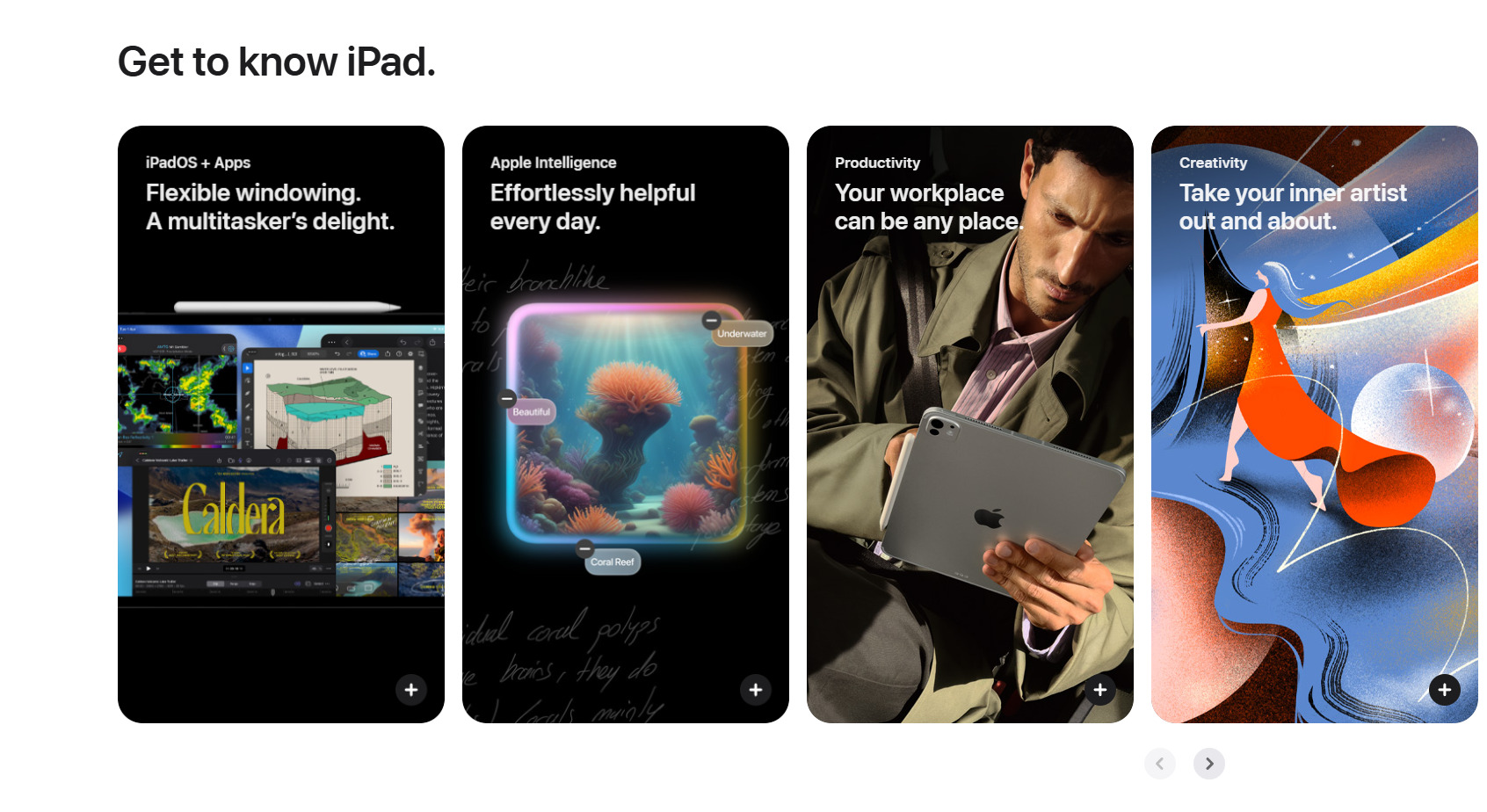
Visit Apple’s iPad page and you’ll notice something: the specifications are there, but they’re almost incidental. What you encounter first is the imagery, the language of possibility — “your workplace can be any place,” “your classroom can be anywhere.” By the time you’re reading chip speeds and storage options, you’ve already been sold on an idea. The product just happens to be how you get there.
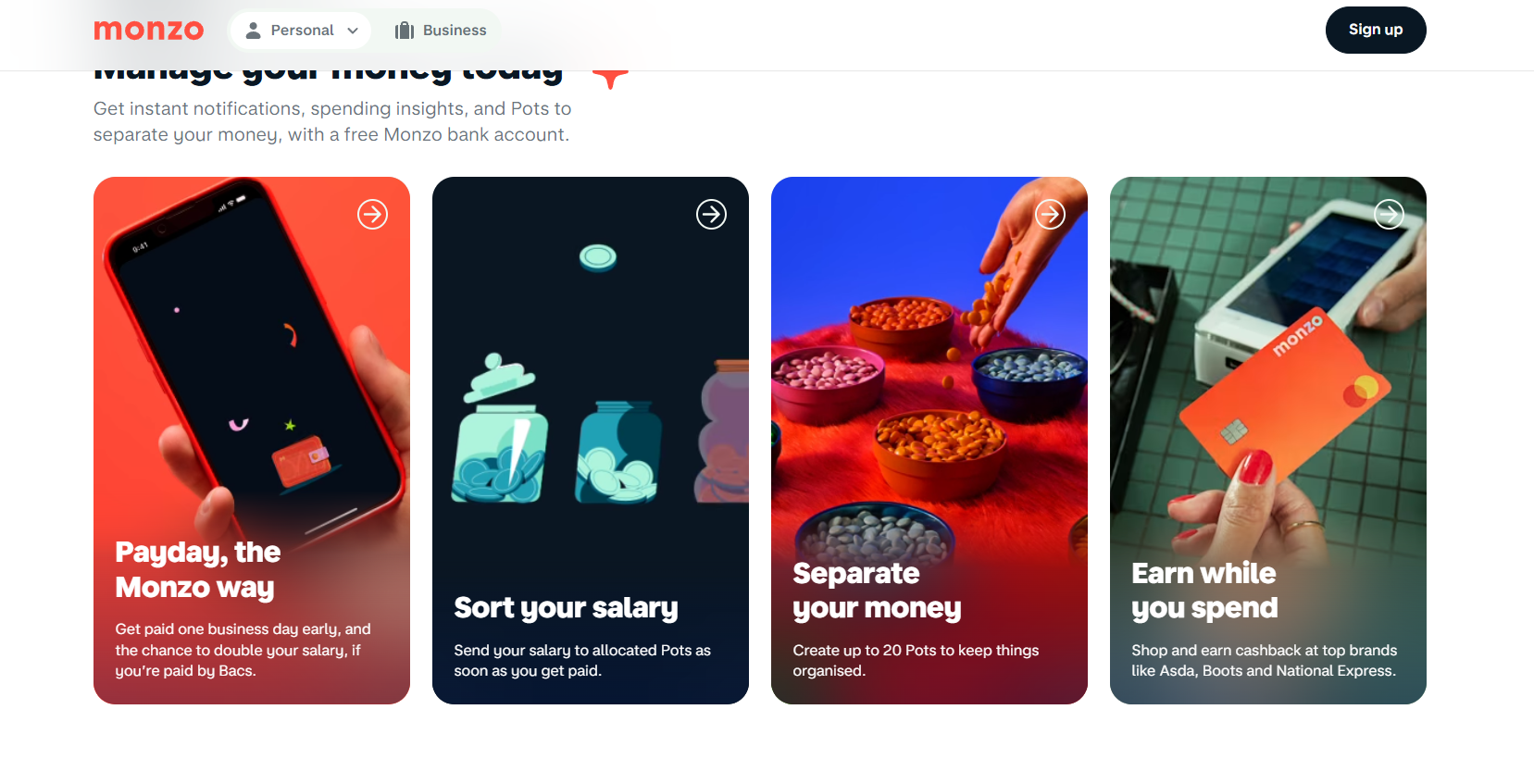
Monzo follows a similar approach in the UK, though what makes them interesting is the tension between their story and their features. Visit their homepage and you will find product-led copy: “Payday, the Monzo way”, “Sort your salary”, “Separate your money.” On the surface it reads like a feature list. But look closer and you notice something: every single one of those cards is written from the customer’s perspective, describing an outcome rather than a function. “Earn while you spend” is not a feature. It is a feeling. The story Monzo tells, one of control, clarity, and a bank that actually works for you rather than against you, is so embedded in how they write that it shows up even in the functional parts of the site. By the time someone is reading about Pots and payday advances, they are not evaluating a bank account. They are already inside the story.
Building Appetite
Before someone is ready to buy, they need three things: trust, familiarity, and some kind of emotional stake in the outcome.
Storytelling does the work of building all three. Not because it’s manipulative, but because narrative is how human beings process and remember things. Facts inform. Stories stick.
Airbnb understood this early. Their Go Where Hotels Can’t campaign makes the point beautifully: animated characters venturing into treehouses, clifftop cabins, and remote landscapes that no hotel chain could ever offer. It is playful and warm, but the emotional argument running underneath it is serious. This isn’t just about unusual places to sleep. It’s about a different kind of experience entirely, one rooted in nature, wonder, and the feeling of being somewhere genuinely unexpected. By the time someone watches that and opens the app to search, they aren’t comparing room rates. They’re chasing a feeling. The website doesn’t create that desire. It meets people in it.
The distinction matters. You’re not selling a product. You’re building appetite. And appetite takes time.
Your Brain Was Built for This
The science backs this up too. Paul Zak, a neuroeconomist at Claremont Graduate University, has spent decades studying what happens in the brain when we hear a compelling story. His research found that narrative triggers the release of oxytocin, the neurochemical linked to trust and empathy, which is why a well-told story doesn’t just inform us. It changes how we feel about the person or brand telling it. In his TED Talk on trust and storytelling, which has been viewed over two million times, Zak makes the case that story is one of the most powerful mechanisms we have for building connection with strangers.
When you engage with a compelling story, the brain releases oxytocin — the neurochemical that drives trust and empathy. Stories don't just inform us. They change how we feel.
Paul Zak
Marketing thinkers have been making the same argument for years. Seth Godin, one of the most influential voices in modern marketing, has long maintained that the brands winning attention aren’t the ones with the best features or the lowest prices. They’re the ones telling stories people want to believe. As he puts it:
Marketing is no longer about the stuff that you make, but about the stories you tell
The logic runs deeper than a catchy line. Godin’s argument, developed across books like All Marketers Are Liars and This Is Marketing, is that people don’t make decisions based on facts. They make decisions based on the story they tell themselves about a product, and the best marketers understand which story their customer already wants to hear. Features inform that story. They don’t create it.
For marketers, the collective implication is straightforward: facts tell people what you do, but stories make them care.
The Website Is Never the Beginning
Here’s the other misconception worth challenging: the idea that the website is where the customer journey starts.
It rarely is. By the time someone lands on your page, they’ve already encountered your brand somewhere. A social post. A recommendation. An ad. A moment that stuck just enough to form an impression.
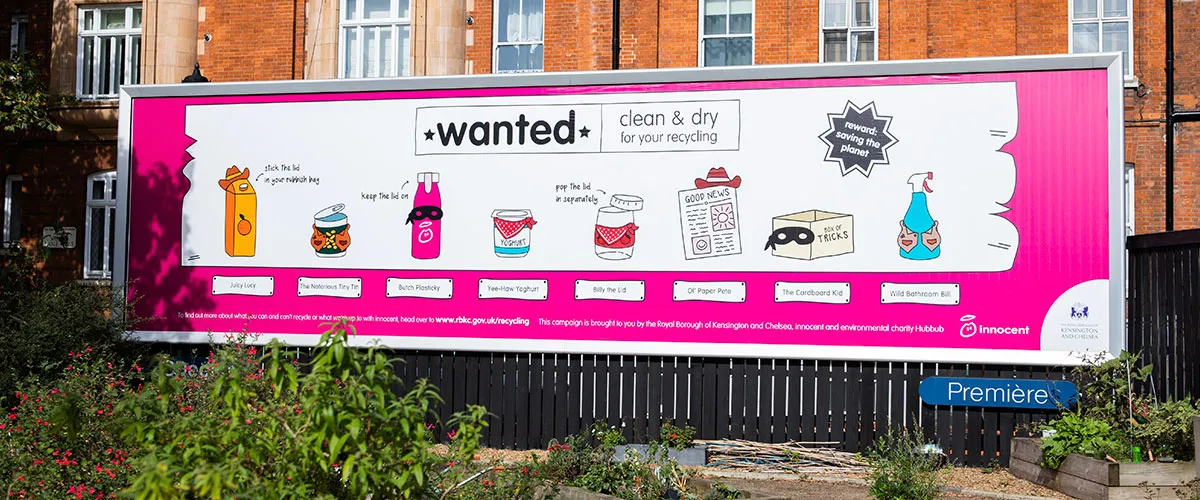
Look at Innocent’s “Wanted” campaign. It doesn’t read like a recycling instruction. It plays out like a light-hearted western, complete with characters, personalities, and a sense of narrative. You’re not being told what to do. You’re being invited into a story. By the time you engage with the brand anywhere else, including the website, you’re not starting from zero. You already recognise the tone. You already understand the world.
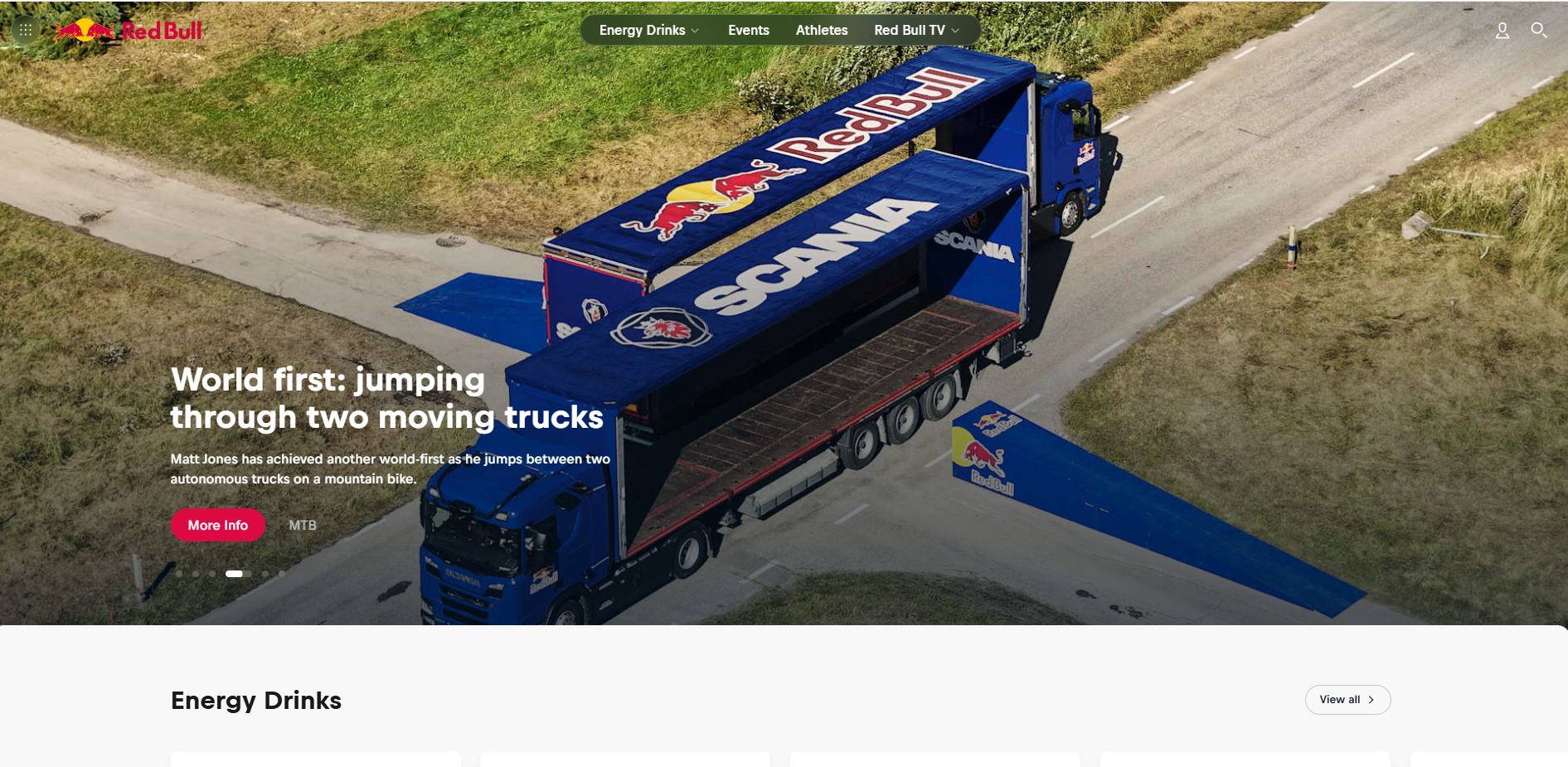
Red Bull operates at the other end of the spectrum, but the principle is the same. Their audience doesn’t arrive at the website looking to be convinced. They arrive already invested, already connected to the idea of human ambition and extreme performance.
The pattern is consistent. The relationship forms before the website. The website simply continues it.
Your job isn’t to introduce yourself from scratch. It’s to pick up a story your customer is already in and move it forward.
Scan, Feel, Decide
People don’t read websites. They scan them, feel something (or don’t), and decide in seconds whether to stay or leave.
Which means clarity and emotional resonance aren’t nice-to-haves. They’re the product. If someone has to work to understand what you do or why it matters to them, they’re already gone.
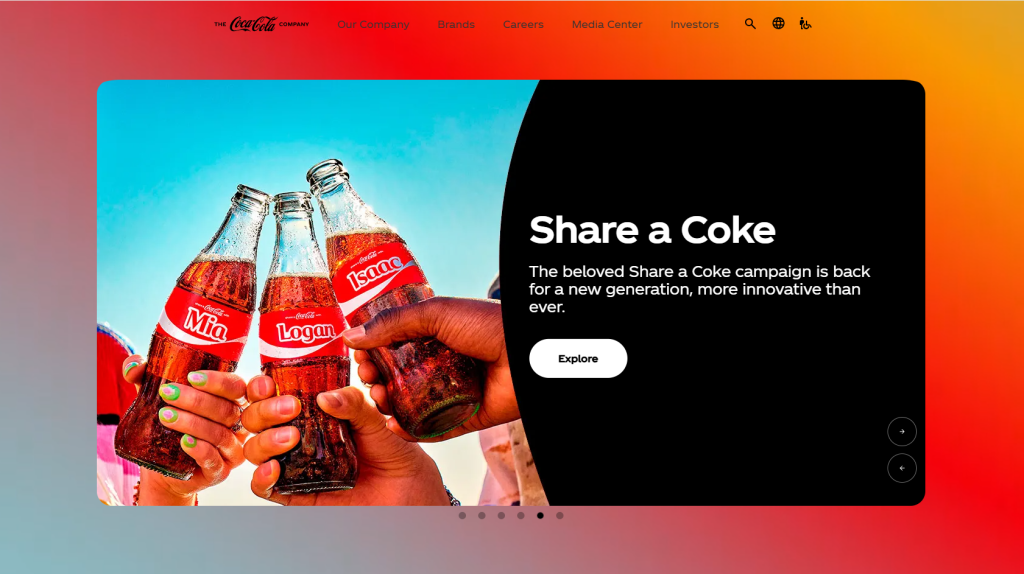
Coca-Cola has never needed to make a complicated argument. Decades of brand-building have made the emotional response instant and almost subconscious. The associations arrive before the thinking starts.
Marks and Spencer has taken a similar approach in its food and home campaigns, leading with lifestyle storytelling and visual narrative rather than product explanations. The emotional appeal lands quickly, before rational evaluation has a chance to kick in.
That’s the goal: not persuasion, but recognition. Not argument, but resonance.
When the Customer Writes the Ending
The best outcome isn’t that someone read your website and decided to buy. It’s that they arrived already warmed up, already interested, already imagining themselves on the other side of the decision, and your website simply didn’t get in the way.
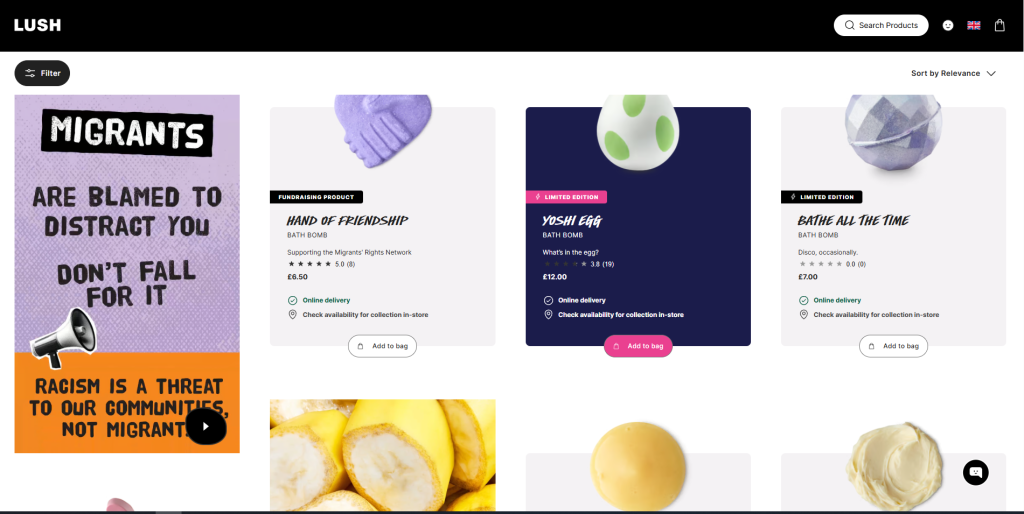
Lush is a good example of how this works in practice. They don’t rely on product arguments to persuade people. They build a relationship through values, consistently and in public. Campaigns around ethical sourcing, animal welfare, and more recently their stance on refugees aren’t neutral or risk-free. They’re deliberate signals about what the brand stands for.
That kind of positioning can be dangerous if it’s bolted on or inconsistent. But Lush avoids that by aligning closely with the values their customers already hold. The messaging doesn’t feel like a political statement inserted into a sales process. It feels like a continuation of an existing conversation.
By the time someone arrives on their website, the decision isn’t being made from scratch. There’s already a level of agreement, or at least recognition. The purchase, when it happens, feels less like persuasion and more like alignment.
At that point, the website doesn’t need to close anything.
It just needs to complete the story.
The Better Question
Stop asking “how do I get more conversions?” and start asking “what story is my customer already in, and does my website move it forward?”
Because when the story is right, you don’t have to force the ending.
Your customer will write it.